
Alaina Thetford – Owner
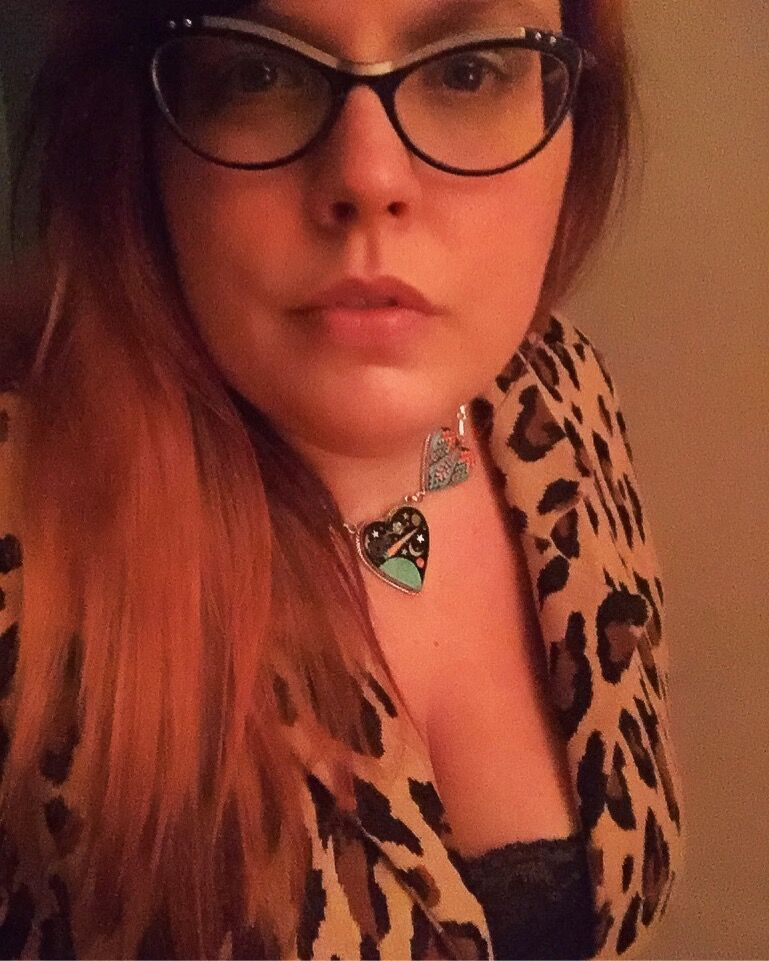
Name: Alaina Thetford
Title: Owner / Artist Manager
Company or Organization Train Case Management
Artists or projects worked with: Boo Ray, Foxtrot & the Get Down, Lines In The Sky, Jericho Woods, AJ Hobbs, Margo Price, Andrew Leahey & the Homestead, James Apollo, etc.
Link: traincasemanagement.com
FEMMUSIC: How did you get started in studio production?
AT: I went to school for audio engineering. No priors, no mentors at the time. I literally just went with my gut. I had this grand illusion about producing records one day, and I had decided that I needed to be an engineer first so people would take me seriously. So, I applied for school, got a full ride, and dove in head first. I joined AES, Women in Audio, a women’s engineer coffee group. I started interning from the first moment I was able to. I took on volunteer work, pro bono gigs, assistant work. You name it, I did it. My first volunteer gig was assisting the live SiriusXM broadcast engineer for the IBMA Award Show at The Ryman. I checked off 3 bucket list items in one go.
FEMMUSIC: What challenges do you see for women in studio production?
AT: It’s a male dominated field, so it’s difficult for women to break into the already heavily established ranks of social and work circles. There’s also a fine line with being accepted due to attitude. Most women feel the need to be more abrupt or harsh because it makes them seem less “girly” and more relatable to their male counterparts. But if that is pushed too far, women are considered bitchy or brash. When it crosses into that realm, talent levels are thrown out the window, and all assumptions made about hiring a woman for a job are based on attitude.
FEMMUSIC: What mentors did you have when learning?
AT: One of my college professors had a production team with his wife. She became a guide for me, helping me learn which parts of my craft to focus on for me to be the most successful in my future career. I also interned at a studio that had a woman house engineer. She became a great friend to me, and we stayed friends even after I left the production world.
FEMMUSIC: Are women in studio production treated differently than men? How do you see this?
AT: Women are definitely treated differently in the studio world. The most common assumption is that if you’re a woman in the studio, you must be someone’s wife or girlfriend. Or, when I would work a union session, the older session musicians would make lewd comments about me over the talk back mics in between takes. You also may have a situation where you’re made a scapegoat with the studio manager or owner because folks in the session find it easier to blame problems on women working the project.
FEMMUSIC: What advice do you give to women wanting to go into studio work?
AT: Even with all the difficulties, I would still never deter any woman from pursuing a career (or passion project) in studio work. It’s a wonderfully creative outlet, and with all the current advancements, you can work for yourself. No holds barred. Make yourself relevant, do good work, be kind, make people want to work with you. And don’t take the frustrations out on the men in the industry. Most of them are good, hardworking fellas. Work with them, in tandem, and show that you’re capable without being harsh. Men in the industry will respect you for both your talent and your attitude.
FEMMUSIC: You are no longer in studio production. Why did you leave?
AT: My leaving the studio world was a culmination of several things. I worked in the studio before ProTools was standalone software. So, if you wanted to run a full-fledged HD session, you needed money for the hardware, which kept a lot of studios in business. When ProTools became standalone, it took the cost down to a manageable level. It opened up doors for people to branch out their creativity and begin doing their own engineering work at home, and while there’s always been enough business to go around in Nashville, many studios closed or had to drastically lower their rates to keep the doors open. Though all this has completely leveled out now, at the time, the studio where I was working had lowered our rate so much that I was practically making pennies for each session I did. And I ended up having to get a second job to pay the bills.
The studio manager at the time had promised to take care of me through all this, said we were going to start opening up to more non-union sessions to get our costs back up. But when I turned him down for a date (because he was engaged and because it was incredibly unprofessional), he stopped scheduling me for sessions and hired a male house engineer almost immediately. So, with no job to pay the bills, I cast my net wider and my sudden job search found me looking at music business positions. I was offer a job as a digital marketing director for a record label almost immediately, so I took the leap and didn’t look back. I still did some live sound work for a couple years after that, but once I branched into artist management full-time, studio work took a complete backseat. Though I find that I use my audio background everyday as an artist manager. It truly has made me invaluable to my clients and the process we go through to create music and make a record.
FEMMUSIC: What one thing would you change about the music industry?
AT: I wish we could go back to the days of taking risks. The entire industry was built on people with money taking risks on people creating art. And incredible, amazing things happened.