
Rachel Faro – President
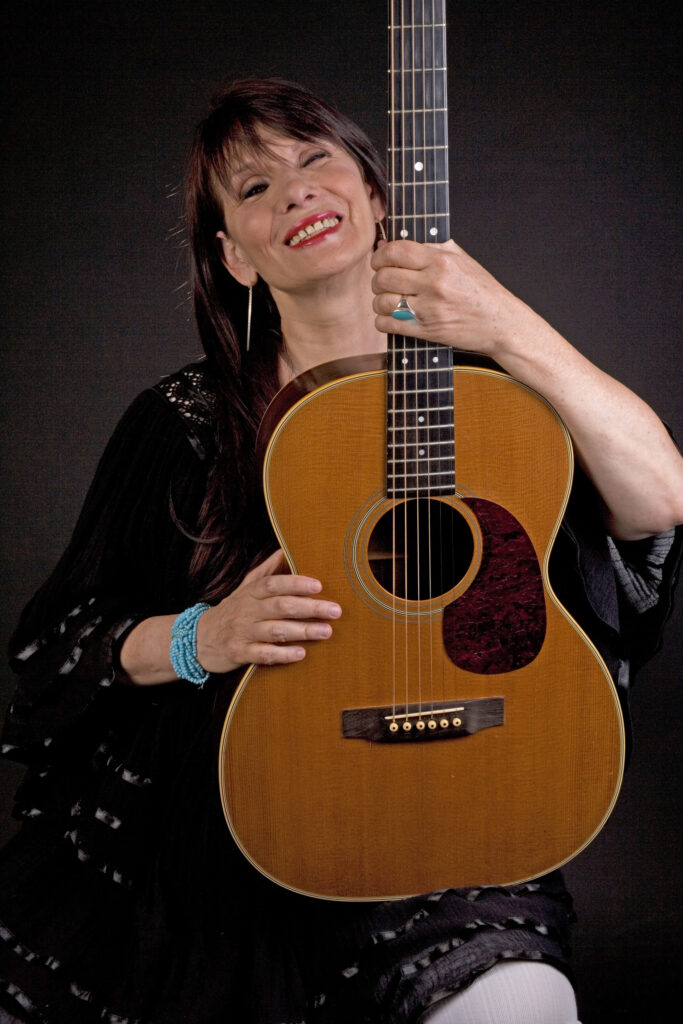
Name: Rachel Faro
Title: President
Company or Organization: Ashe Records
Artists or projects worked with: Eddie Palmieri, Odetta, Sammy Figueroa, Yomo Toro, Vocal Sampling, Los Van Van, Las Pioneras de Mexico, Glaucia Nasser (Brazil), Satan and Adam, etc.
Link: rachelfaro.com/
FEMMUSIC: How did you get started in studio production?
RF: I recorded my first album for RCA in my ’20’s. My producer was brilliant, but very domineering and I started to feel as if it wasn’t my own album but as a young artist I felt obliged to him. I went through a process of finding my own courage and developed a desire to become a different kind of producer, one who brings the best out of the artist. During those years my best friends at the label were always the engineers and I always felt that most comfortable in the studio with them. The first woman producer I ever met was Roma Baran, who produced Laurie Anderson, and she was a great example to me but I realized there were no other woman record producers around. So I decided to be one. And when you call your self something you eventually become that. My first production was my own third album and I soon went on to produce others.
FEMMUSIC: What are the biggest lessons you’ve learned doing your job?
RF: To find a good balance between listening to your own wisdom and experience and that of the artist and the rest of the team. What do you wish you knew before you started? That it would be so many many hours of work that no matter how much you were paid you were still underpaid.
FEMMUSIC: What do you look for in a project?
RF: Brilliance, excitement, quality. I like to work with accomplished artists. I also like to make sure that they have management and hopefully a label and marketing team because otherwise I end up doing too much of that myself on a project I set out only to produce in the studio.
FEMMUSIC: What project are you most proud of & why?
RF: It’s hard to say, I am equally proud of several. I would say Yomo Toro’s “Celebremos Navidad”, Vocal Sampling’s ‘Una Forma Mas’ and The Magician by Sammy Figueroa, which got a Grammy nomination. I also like Talisman, a record I did in Brazil.
FEMMUSIC: What challenges do you see for women in studio production?
RF: I used to think that if I just did my job and was good at it, plus friendly and polite in working with a team that there would be no problem. It’s just not true. Misogyny is there, it’s deep and sometimes unexpected. You have to find the people that support you and ignore the rest.
FEMMUSIC: What mentors did you have when learning?
RF: As engineers my main mentor was Jon Fausty. As producers Steve Lillywhite gave me great advice and Daniel Lenois, Sergio George and Brian Bacchus are my inspiration brothers. But there’s always more to learn.
FEMMUSIC: Are women in studio production treated differently than men? How do you see this?
RF: Please see question #5. I find that when I start a project with a new engineer I’m treated differently but when they see I know what I am doing we simply get into working together happily. My main problem is the labels: I’ve seen men who are nowhere near as good as I as producers and who have much less track record get the big budgets that I would never be trusted with. I”m not sure if this is only because I’m a woman but I think it’s part of it. People just don’t look at a woman and think ‘record producer’.
FEMMUSIC: What advice do you give to women wanting to go into studio work?
RF: If you love it do it! And find your people. Take it seriously and learn things properly. Also, even if you’re an engineer it helps to learn an instrument and listen to a lot of music. Develop ‘big ears’ and learn to listen deeply.
FEMMUSIC: What one thing would you change about the music industry?
RF: Where shall I begin? The biggest crime is that artists have to pay for all the costs of producing an album out of their royalties and they still don’t own the master. It’s like paying off your mortgage but the bank still owns the house. Labels don’t develop artists any more, they simply pluck what’s already developed. The other big crime is that a bad deal was done when streaming first became prevalent. They could have created an industry standard that paid more per hit, not a micro-fraction of a penny, even one penny would have been significantly better. Everyone suffers now: the independent labels, the writers, the artists.